How to Display Vintage Ephemera Without Damaging It: Framing, Albums and Storage
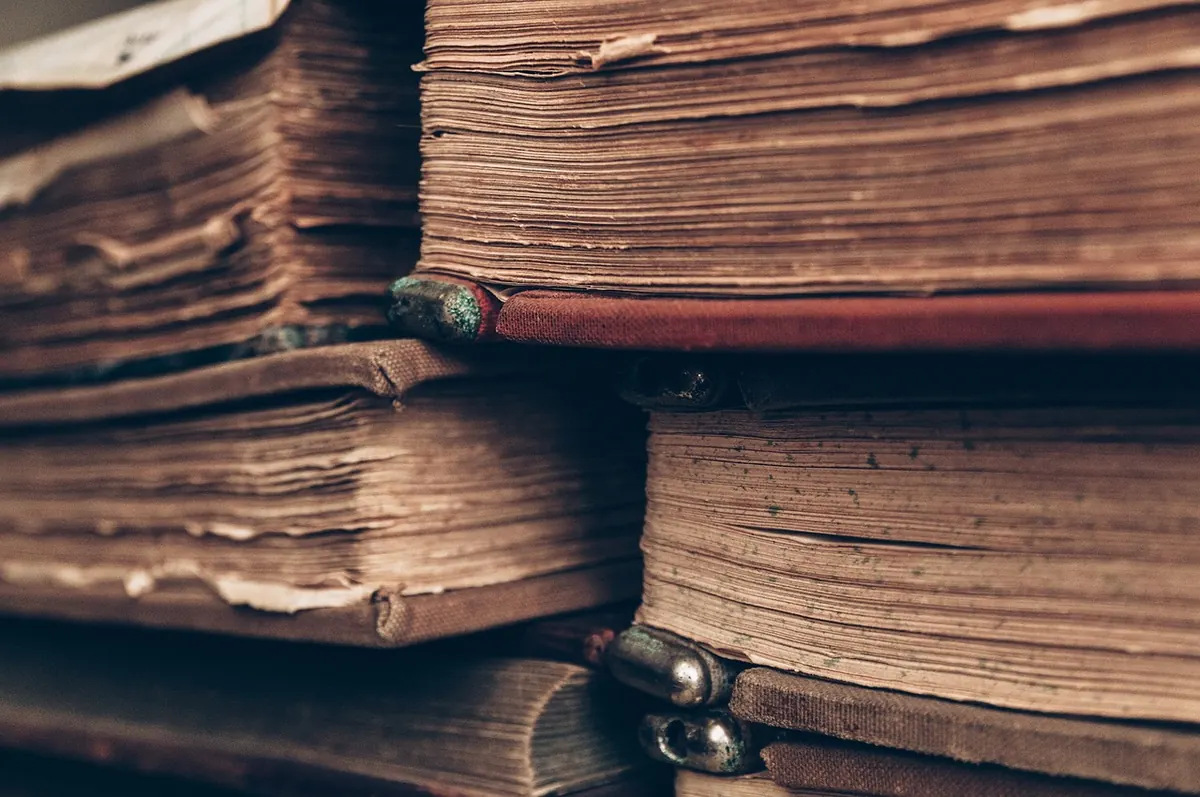
A railway ticket punched at a station that closed decades ago. A christening card with a lock of hair still tucked inside. A seed catalogue from 1904 with a grower's pencil notes in the margins. Ephemera survives by accident, and that is half its charm — and most of its vulnerability.
Paper made to be used and thrown away was never made to last. Display it badly and you will watch it fade, cockle and split along the folds within a few years. Look after it properly and it will outlive you comfortably. The methods below are the ones worth using.
Why ephemera is harder to keep than it looks
Much nineteenth- and twentieth-century paper is in worse condition than paper from a century before it. Cheap wood-pulp stock, common from around the 1850s onwards, carries lignin and acidic sizing that yellow and embrittle as they age, so a Georgian letter on rag paper will often outlast a 1950s poster. Add iron-gall ink, coloured inks that bleed, and the folds, staples and tape of a working document, and you have a small conservation problem in every drawer.
Most damage is not dramatic. It accumulates: a little light each summer, a little acid migrating from a cardboard box, a little damp drawn up from a cold wall. Slowing that accumulation is entirely within reach.
Framing without regret
Framing is the most visible thing you can do and the easiest to get wrong, because the worst mistakes are made by framers who are not working to archival standards. Ask what materials are being used and be prepared to pay for the good ones.
Mounting
Ask for the piece to be hinged with Japanese tissue and wheat starch paste, or held in archival photo corners, so that the mount can be undone later without trace. Never let it be dry-mounted, glued or laminated. If a framer suggests double-sided tape for speed, find another framer.
Use a window mount cut from conservation board — often sold as museum board — and keep the paper away from the glazing, either with a deeper rebate or a spacer bar. That stops condensation forming between paper and glass, and stops the surface from touching anything at all.
Glazing and hanging
Ordinary glass filters little ultraviolet light; UV-filtering glass or acrylic filters a great deal more and is worth the extra. Acrylic is lighter and safer for large pieces, glass is less easily scratched. Whichever you choose, hang away from direct sun, radiators, open fires and spotlights. A south-facing wall in a bright room is the worst place in the house for ink.
A short list of things never to do with paper you care about:
- Sticky tape of any kind, including the "invisible" sort and low-tack masking tape
- Rubber cement, spray adhesive or PVA in direct contact with the paper
- Blu Tack, drawing pins, paperclips or staples used as mounting aids
- Stationery-cardboard mounts, or a cheap wooden backboard left in place for years
- Lamination, however tempting it looks on a fragile ticket — it cannot be undone
Albums, sleeves and hinges
For pieces you want to handle, albums are excellent, provided the pages are not acidic and the fixings are not self-adhesive. Look for albums with acid-free, lignin-free pages, or buy polyester sleeves and pages separately and build your own. Polyester, often sold as Melinex, is inert and clear, and is the safest choice for anything you will look at often. Avoid PVC, which gives off vapours that attack paper, and treat glassine with caution; it is not as neutral as it appears.
Never write on the back of an item. Record the details on the album page instead, or on a separate slip kept with it, using a soft pencil rather than a ballpoint pen. A biro pressed hard on the reverse of a postcard leaves an embossed impression that no conservator can remove.
Storage that actually protects
Flat is best. Paper stored upright slumps and warps at the edges, so choose shallow boxes and keep contents lying flat, one or two items deep where possible. Interleave with acid-free tissue, and use it to fill any gaps so nothing slides. Don't overfill a box — a tight fit means creases and scuffed corners. Label the outside with a pencil or a printed slip in a sleeve.
Cards, tickets and small prints can live in polyester sleeves inside an archival box; larger pieces such as maps, playbills and sheet music are better off in a plan chest or a shallow archival box of their own.
The environment, in brief
- A stable temperature, without wild swings between day and night
- Relative humidity in the region of 40–50 per cent; damp does more harm than dry
- Darkness for most of the year
- Air movement, so that mould never gets a foothold
Not the loft, not the cellar, not the garage, and not the kitchen or bathroom, where steam and cooking fumes do quiet damage. A cool internal cupboard or the back of a wardrobe in a spare room is usually ideal.
Pests, mould and everyday hazards
Silverfish and booklice graze on paper and on the starch paste in old bindings; clothes moths will happily eat a wool bookmark or a felted scrapbook cover. Woodworm can travel indoors inside an old frame, so check frames before you hang them. Keep storage dusty, dark and dry and you remove most of the invitation. Never eat or drink over an open album.
Mould shows as grey or black speckling and a musty smell, and it spreads by spores. If you find it, isolate the item in a sealed bag, don't brush it in the room where the rest of the collection lives, and take advice from a paper conservator rather than improvising with household cleaners. Freezing is sometimes used to deal with active insect infestation, but it needs to be done properly; ask before you try it at home.
Rotate, record and enjoy it
The best protection is not to leave anything on a wall for ever. Choose two or three pieces to show, then rotate them every few months and return the rest to the dark. Photograph each item as it goes up, both for your own reference and so that you have a record of what you own and what condition it was in — useful if you ever need to make a claim.
Handle paper with clean, dry hands; cotton gloves are for photographs and metalwork, and they make you clumsier with a fragile fold. Keep a sheet of acid-free card underneath anything you carry across a room. And remember that a piece which has survived a century of being used will survive another one on display, provided you choose the mount, the box and the wall with a little care.
Photo: bohdanchreptak / Pixabay