Seasonal Styling: How to Use Vintage Decor for a British Christmas Table
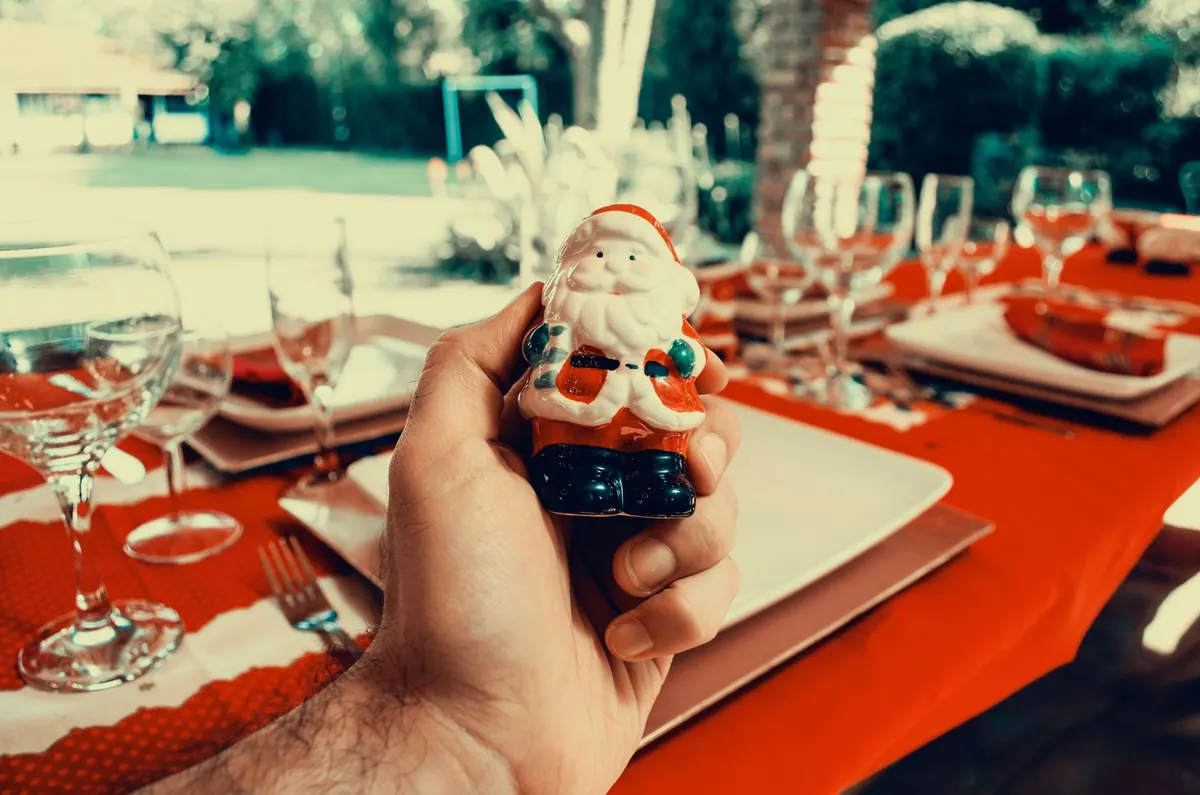
The Christmas table is the one table of the year that earns a full dressing. Out comes the cloth that only sees December, the silver kept in a drawer with a square of anti-tarnish paper, and the china that has survived three house moves and a grandmother. Vintage pieces do much of the work for you. They bring age, warmth and a little irregularity to a meal that can otherwise look as though it arrived in a single box.
Start With the Cloth
Everything else sits on the cloth, so begin there. A plain white linen cloth is the classic choice and the ideal backdrop for old glass, because it does not compete. If you have a heavily patterned damask, use it as a centre panel and lay plain runners down the sides instead.
Worn linen is not a problem. A cloth with faint marks or damage at the edges can be cut down and hemmed into a runner — often the best use for the middle section of an otherwise unusable piece. Two runners crossed over a plain cloth make a generous bed for a centrepiece, and cost nothing but an afternoon with a sewing machine.
Add a little texture. White-work embroidery, coarse huckaback, a length of old lace laid across each end of the table. Keep napkins simple: old damask, ironed flat, folded loosely and held with plain linen tape. Ribbons and sprigs look charming until the plates arrive and everything becomes a tangle.
Clean old linen gently. Cool water, a mild detergent, no chlorine bleach, and dry it flat away from direct sun. For a stubborn stain, a long oxygen-based soak is kinder than scrubbing, which weakens the fibres and leaves a thin patch that will tear next year.
Glass: Mix, Don't Match
Six matching wine glasses look like a hotel. Six old ones chosen for a related tone — all pale, all cut, all with a bit of weight — look like a household. Start with what you own. A rummer for water, a smaller port glass for the red, a coupe for anything sparkling. Pressed glass from the 1930s sits happily beside Victorian cut glass as long as you keep to one family of colour: clear, or clear with a hint of green or amber.
Use glass for height as well as drinking. A footed tazza lifts candles, fruit or biscuits clear of the serving dishes. A glass dome, the sort that once covered a bracket clock, makes a lovely cover for a small plate of sugared almonds and turns an ordinary dish into a display. A cranberry glass jug for custard earns its place at the Christmas pudding end of the table.
Check every piece before it goes on. Run a thumb around the rim for chips, and hold it up to the light to look for cracks near the base. Never pour boiling water into cold antique glass; the thermal shock can crack it, and a hairline that survives one Christmas will fail on you eventually.
Silver, Brass and the Case for a Little Tarnish
Antique silver plate is plentiful, wears its age well and does not need to be perfect. Grape scissors, sugar tongs, a small tazza for nuts, a beaten brass candlestick with a dent in the stem — all of it reads as character rather than damage. Resist polishing everything to mirror brightness. Tarnish left in the recesses of a pattern shows the shape; a piece polished flat can look like a reproduction.
Cutlery makes good decoration. A jug of mismatched teaspoons on the sideboard, odd forks tied with narrow ribbon and used as place markers, a ladle resting in a jug of brandy butter. Store silver in a dry place, wash it in warm water rather than leaving it to soak, and dry it straight away with a soft cloth. Be cautious with liquid silver dips on plated pieces; repeated use can lift the plating.
Let the Curiosities Do the Talking
This is where a vintage table stops being a period re-enactment and becomes yours. Choose two or three objects and let them sit quietly. More than that and guests stop noticing any of them.
- A row of small apothecary bottles or specimen vials holding sprigs of rosemary, eucalyptus or dried honesty.
- A shallow bowl of old baubles — faded pink, scratched silver, a little dulled — instead of a flower arrangement.
- A low group in the centre: a brass key, a pressed-glass jelly mould, a stoneware jar, an old seed packet. Odd numbers sit better than even.
- Old paper as a mat: a sheet of music manuscript, a page from an antique atlas, or a bundle of shop receipts under a candle.
- Place cards written on the backs of old postcards, with the postmark year left showing.
Keep food and curiosities separate. Anything with a worn glaze, a crack or an old repair is better kept decorative, especially where acidic food or hot liquid would sit against it.
Colour, Light and Candlelight
Work to a British palette: deep green, cranberry, oxblood, brass, faded gilt, cream, a touch of dusty blue. The bright primary red and green pairing is hard to carry off and quickly looks like a supermarket aisle.
Candles do more for a Christmas table than anything else you can add. Tapered beeswax or ivory in brass or glass holders, clustered in threes at slightly different heights. Three is calmer than five. Keep flames well clear of dried foliage, paper, ribbon and linen, and never leave a lit table unattended. If there are young children at the meal, put the candles at the far end or save them for after pudding.
Nothing here needs to match. It only needs to look as though it has always belonged on this table.
Pulling It Together: A Working Order
- Lay the cloth, then the runners. Press both first.
- Set the plates, napkins and cutlery, then add the glass.
- Build the centrepiece low. Guests should be able to see each other across it.
- Add the curiosities last, once you can see the gaps they need to fill.
- Light the candles just before people sit down, not an hour before.
- Serve from old dishes at the table rather than plating in the kitchen, so the pieces are actually seen.
After the Last Cracker
Wash antique glass by hand in warm — not hot — water, and dry it with a linen cloth. Dishwashers are unkind to gilding, decoration and old rims. Soak linen stains before they set, then dry flat. Wipe silver and brass dry rather than leaving them damp, and put them away somewhere dry.
Before the pieces go back in the cupboard, write a short note of what you used and what you would change: fewer candles, a longer runner, the cranberry jug moved to the other end. Tuck it into the box with the decorations. Next December you will set the table in half the time, and it will look better for it.
Photo: Nicolas Postiglioni / Pexels